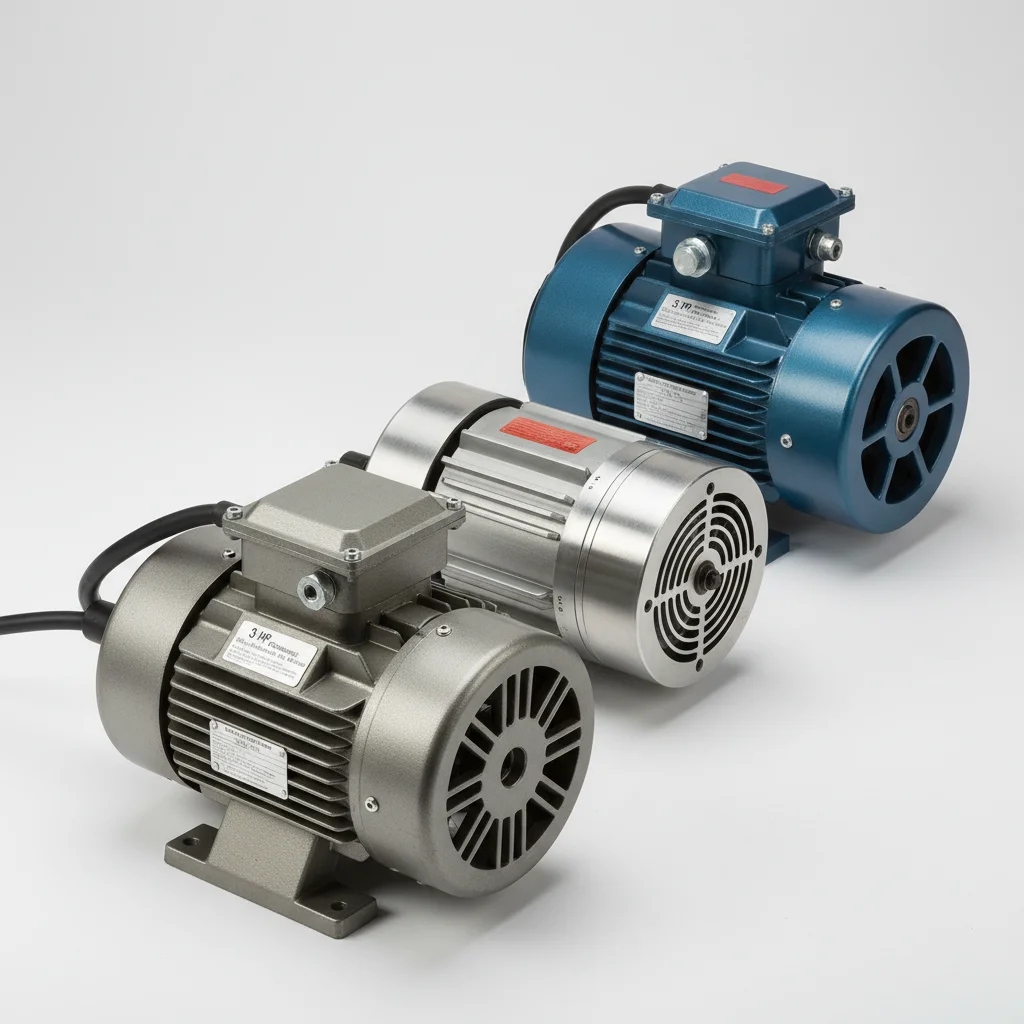
Understanding table saw motors and their horsepower (HP) is crucial for selecting a saw that meets your woodworking demands. The motor is the heart of any table saw, directly influencing its cutting power, efficiency, and ability to handle various materials. Generally, motors range from 1 HP for compact models up to 5 HP for professional cabinet saws, with 1.5 HP to 3 HP being common for most home workshops.
Types of Table Saw Motors: Induction vs. Universal
Table saw motors primarily come in two types: universal and induction. Universal motors are typically found in portable and jobsite table saws. They are characterized by their high RPM and compact size, making them suitable for quick cuts and easy transport. However, they tend to be louder and less durable than induction motors. Induction motors, on the other hand, are common in contractor, hybrid, and cabinet saws. They operate at lower RPMs but offer higher torque, quieter operation, and significantly longer lifespan. They are also more efficient and better suited for continuous, heavy-duty use.
Horsepower Ratings and Their Impact on Cutting Capacity
The horsepower rating of a table saw motor directly correlates with its cutting capacity and the types of materials it can handle. A 1-1.5 HP motor is generally sufficient for cutting softwoods and thin sheet goods. For hardwoods, dado cuts, and ripping thicker stock, a 2-3 HP motor is recommended. Professional cabinet saws often feature 3-5 HP motors, providing ample power for continuous operation with dense materials and large projects. It’s important to consider not just the peak HP but also the continuous duty rating, which indicates the power the motor can sustain over extended periods.
- 1-1.5 HP: Ideal for light-duty tasks, softwoods, and thin plywood.
- 2-3 HP: Suitable for most hardwoods, thicker stock, and general workshop use.
- 3-5 HP: Essential for professional use, dense materials, and continuous heavy-duty operations.
- Direct-drive motors: More compact, often found in portable saws, but can be less powerful.
- Belt-drive motors: Common in larger saws, offering better power transfer and quieter operation.
Single-Phase vs. Three-Phase Power Requirements
|
Our Picks for the Best Table Saw in 2026
As an Amazon Associate I earn from qualifying purchases.
|
||
| Num | Product | Action |
|---|---|---|
| 1 | Skil 3550-02 7-Inch Wet Tile Saw with HydroLock Water Containment System |

|
| 2 | PROXXON Table Saw FET for Precision Cuts in Wood, Non-Ferrous Metals, Plastics - Adjustable Blade, Extendable Table, Low Noise Motor, 110-120V AC - 37070 |
|
| 3 | VEVOR Band Saw, 9-Inch, Woodworking Benchtop Bandsaw with 1/2 HP Motor, 3.5-Inch Max Cutting Height, 11.8 x 11.8 in Cast Aluminum Table, 0-45° Tilting Range, with Miter Gauge, Fence, for Woodworking |
|
| 4 | SKIL 3601-02 Flooring Saw with 36T Contractor Blade, Red and black |
|
| 5 | POWERTEC Portable Small Workbench with Vise, Imprinted Ruler and Protractor Scale, Folding Sawhorse/Worktable and 4 Bench Dogs for Woodworking Projects (MT4006V) |
|
| 6 | SKIL 7-Inch Wet Tile Saw - 3540-02 |
|
| 7 | Woodworking table saw, can be installed in the operating table, 25kg saw blade can be adjusted up and down 55X36X40 cm |
|
| 8 | Lapidary Rock Saw for Cutting Rocks, 750W Mini Lapidary Equipment for Jewelry and Gemstone Polishing, 110V Table Saw Grinder Machine with Polishing Kit for Jade Agate Wood and Beeswax |
|
| 9 | 4" 60W MINI ELECTRIC TABLE SAW BENCH TOP GREAT ELECTRIC HOBBY CRAFT TABLE SAW DIY Power Tool Work Bench Stand Circular 2 PIECES Blades |
|
| 10 | POWERTEC Push Block and Push Stick Set Fits Table Saws, Router Tables, Band Saws & Jointers, Dual Ergonomic Handles w/Max Grip, Wood Pusher Reduces Kickback & Increases Safety. 5PK (71009V) |
|
Another critical aspect of table saw motors is their power requirement, specifically whether they operate on single-phase or three-phase electricity. Most home workshops are equipped with single-phase 120V or 240V power. Saws with motors up to 2 HP typically run on 120V, while those between 2 HP and 3 HP often require 240V. Larger motors, especially those 5 HP and above, may require three-phase power, which is usually only available in commercial or industrial settings. Always check the electrical requirements of a table saw before purchase to ensure compatibility with your workshop’s power supply.
Maintaining Your Table Saw Motor for Longevity
Proper maintenance is key to extending the life of your table saw motor. Regularly clean the motor and its vents to prevent dust buildup, which can lead to overheating. Check and replace carbon brushes on universal motors as needed, and ensure that all electrical connections are secure. For induction motors, periodically inspect the belt tension if it’s a belt-drive system. Lubricate bearings according to the manufacturer’s recommendations. A well-maintained motor will run more efficiently, provide consistent power, and last for many years, ensuring your table saw remains a reliable tool in your workshop.

My jobsite saw has a universal motor, and while it’s super convenient for moving around, the noise level is definitely something I’ve had to get used to. It’s great for quick cuts on plywood and 2x4s, but I can see why an induction motor would be better for more precise, longer work. Good to know the differences.
I picked up a compact table saw with a 1 HP motor for small DIY projects, and it’s mostly fine. However, I’ve noticed it struggles a bit with thicker pieces of lumber, especially when trying to rip anything over an inch and a half. I probably should have gone for something in the 1.5 HP range for a bit more power.
I’ve been using a 3 HP induction motor saw for years, and it’s a beast. This breakdown of motor types really hit home. The quiet operation and smooth cuts are exactly why I invested in a good quality cabinet saw. It handles hardwoods like oak and maple without bogging down at all, which is essential for my furniture projects.
This really clarified the horsepower ratings for me. I was always wondering if a 1.5 HP motor would be enough for my home workshop, and now I feel confident that it’s the sweet spot for most of my needs. It’s good to know I don’t necessarily need a 5 HP monster for hobby work.