Properly storing extra table saw blades is crucial for maintaining their sharpness, preventing rust, and ensuring workshop safety. Simply tossing blades into a drawer can lead to dull edges, corrosion, and potential injury. Effective storage protects your investment, preserves blade performance, and ensures blades are ready for precise cuts, ultimately extending their lifespan and enhancing safety.
The Importance of Proper Table Saw Blade Storage
Every table saw blade, whether general-purpose, ripping, crosscutting, or a dado set, is a significant investment and a precision cutting tool. Correct storage is paramount for several reasons. Firstly, it preserves the sharpness and integrity of the carbide teeth; dull or chipped teeth lead to poor cut quality and increase kickback risk. Secondly, proper storage prevents rust and corrosion, which degrade blade performance and lifespan, especially in humid environments. Thirdly, organized storage protects you and your workshop from accidental cuts, as exposed blades are extremely sharp. Finally, an organized system saves time, allowing quick location of the right blade for any task.
Common Risks of Improper Blade Storage
Ignoring proper storage techniques for table saw blades can lead to significant problems, impacting both cost and safety. One common risk is damage to the blade teeth; careless stacking or loose storage can easily chip, bend, or break delicate carbide tips. Even minor damage compromises balance and cutting ability, necessitating costly sharpening or replacement. Another major concern is rust, as steel blades are highly susceptible to oxidation, particularly in fluctuating humidity. Rust dulls the modern and causes friction during cuts, leading to burning and increased motor strain. Improper storage creates a significant safety hazard, as unprotected blades can fall, roll, or be stepped on, resulting in serious lacerations. A cluttered storage area also wastes valuable project time by making it harder to identify the correct blade. For compare top table saws on this site.
Key Factors for Safe Table Saw Blade Storage
To ensure your table saw blades remain sharp, rust-free, and safe to handle, several critical factors must be considered when designing or choosing a storage solution. Addressing these points will extend the life of your blades and improve your workshop’s overall safety and efficiency.
Cleanliness and Maintenance
Before storing any blade, ensure it is thoroughly clean. Wood resins, sap, and dust accumulate on the blade surface and teeth, leading to dullness and potential rust spots. Use a dedicated blade cleaner and a stiff brush to remove all residue. A clean blade stores better and performs optimally. After cleaning, apply a thin coat of rust-preventative oil or a dry lubricant to the blade body, especially in humid climates. This extra layer significantly deters corrosion during long-term storage.
Protection from Damage
|
Our Picks for the Best Table Saw in 2026
As an Amazon Associate I earn from qualifying purchases.
|
||
| Num | Product | Action |
|---|---|---|
| 1 | SKIL 3601-02 Flooring Saw with 36T Contractor Blade, Red and black |

|
| 2 | 4" 60W MINI ELECTRIC TABLE SAW BENCH TOP GREAT ELECTRIC HOBBY CRAFT TABLE SAW DIY Power Tool Work Bench Stand Circular 2 PIECES Blades |
|
| 3 | Skil 3550-02 7-Inch Wet Tile Saw with HydroLock Water Containment System |
|
| 4 | Lapidary Rock Saw for Cutting Rocks, 750W Mini Lapidary Equipment for Jewelry and Gemstone Polishing, 110V Table Saw Grinder Machine with Polishing Kit for Jade Agate Wood and Beeswax |
|
| 5 | Woodworking table saw, can be installed in the operating table, 25kg saw blade can be adjusted up and down 55X36X40 cm |
|
| 6 | SKIL 7-Inch Wet Tile Saw - 3540-02 |
|
| 7 | VEVOR Band Saw, 9-Inch, Woodworking Benchtop Bandsaw with 1/2 HP Motor, 3.5-Inch Max Cutting Height, 11.8 x 11.8 in Cast Aluminum Table, 0-45° Tilting Range, with Miter Gauge, Fence, for Woodworking |
|
| 8 | PROXXON Table Saw FET for Precision Cuts in Wood, Non-Ferrous Metals, Plastics - Adjustable Blade, Extendable Table, Low Noise Motor, 110-120V AC - 37070 |
|
| 9 | POWERTEC Portable Small Workbench with Vise, Imprinted Ruler and Protractor Scale, Folding Sawhorse/Worktable and 4 Bench Dogs for Woodworking Projects (MT4006V) |
|
| 10 | POWERTEC Push Block and Push Stick Set Fits Table Saws, Router Tables, Band Saws & Jointers, Dual Ergonomic Handles w/Max Grip, Wood Pusher Reduces Kickback & Increases Safety. 5PK (71009V) |
|
The primary goal of any storage system is to protect delicate carbide teeth from impact and abrasion. Individual sheaths, sleeves, or slots for each blade are ideal. Avoid stacking blades directly, as teeth can rub and chip. The storage method should prevent metal-on-metal contact between blades or with other tools. Use materials like wood, plastic, or rubber as dividers or holders, which are gentler on blade edges than bare metal.
Environmental Control
Humidity is detrimental to steel tools. Store table saw blades in a relatively dry, temperature-stable environment. Basements or garages with high humidity may require dehumidifiers or airtight containers with desiccant packets. Direct sunlight causes temperature fluctuations that contribute to condensation, so a cool, shaded spot is preferable. Keep blades away from open windows or areas prone to water leaks to prevent rust.
Accessibility and Organization
While protection is key, your storage solution should also make blades easily accessible and identifiable. Labeling storage slots or individual blade sleeves helps quickly find the right blade. A well-organized system reduces clutter, prevents grabbing the wrong blade, and encourages good workshop habits. Consider grouping blades by type (e.g., ripping, crosscutting, dado) or by size to streamline your workflow.
DIY Storage Solutions for Table Saw Blades
Crafting your own storage solution can be a rewarding project, tailored exactly to your workshop’s needs and space. These DIY options offer excellent protection and organization without breaking the bank.
Wooden Blade Holders
Simple yet effective, wooden blade holders provide excellent individual protection. You can construct a basic box or rack with dado cuts sized to fit the arbor hole and blade diameter, allowing each blade to slide into its own slot. This prevents blades from touching each other and keeps them upright. Hardwood like oak or maple works well for durability, or you can use plywood for a lighter option. Consider adding a small lip or magnetic strip to prevent blades from sliding out inadvertently. A DIY wooden table saw blade holder storing multiple blades vertically in individual slots.
PVC Pipe Storage
PVC pipes offer a versatile and inexpensive way to store individual blades. Cut sections of PVC pipe slightly longer than the blade’s radius. You can then cap one end of each pipe or create a wooden base to hold them upright. Each blade slides into its own pipe, protecting the teeth and keeping them separated. These can be bundled, stored in a drawer, or mounted vertically on a wall rack for compact storage. Ensure the pipe diameter is sufficient to accommodate the blade without forcing it.
Wall-Mounted Racks
For workshops with limited floor or drawer space, a wall-mounted rack is an excellent solution. This can be as simple as a plywood sheet with strategically placed dowels or grooves that support blades by their arbor hole, allowing them to hang flat against the wall. Alternatively, you can build a more elaborate cabinet with individual slots or shelves. Wall-mounting keeps blades out of the way, visible for quick selection, and safely secured. Always ensure the rack is robustly fastened to wall studs.
Custom Drawer Organizers
If you prefer to keep your blades tucked away in a cabinet or workbench drawer, custom organizers are key. You can create partitions from plywood or heavy-duty foam inserts that cradle each blade. The goal is to prevent blades from shifting, clashing, or contacting other tools in the drawer. Measure your drawer dimensions carefully and design compartments that snugly fit each blade, perhaps even allowing for individual blade sleeves within each compartment for extra protection.
Commercial Table Saw Blade Storage Options
While DIY solutions are popular, various commercial products are designed specifically for table saw blade storage, offering convenience and often specialized features.
Blade Storage Cases and Boxes
Many manufacturers offer purpose-built cases or boxes that hold multiple blades. These typically feature individual slots or soft foam inserts to protect each blade. They are often stackable, making them ideal for compact storage on shelves or in cabinets. Look for cases made from durable plastic with secure latches to protect against dust and moisture. Some cases are designed to hold specific blade sizes or types, such as dado sets.
Blade Carriers
For those who frequently transport their table saw blades, blade carriers are invaluable. These are usually rigid cases, similar to toolboxes, but with internal structures designed to secure blades during transit. They often have sturdy handles and can withstand the bumps and jostles of job site travel, protecting blades from impact and keeping them organized on the go.
Magnetic Strips and Holders
While less common for primary storage due to potential impact risks, heavy-duty magnetic strips can be used for quick access to frequently changed blades, as long as they are securely mounted and blades are handled with extreme care. Some magnetic holders are designed to grip the blade body, minimizing contact with teeth. If using this method, ensure blades are mounted high enough to avoid accidental contact and in a protected area of your workshop.
Step-by-Step Guide to Storing Your Blades Safely
Implementing a safe and effective blade storage system involves a few simple, yet crucial, steps:
- Clean Your Blade: Before storing, always remove accumulated pitch and sawdust. Use a non-caustic blade cleaner and a brass brush. For stubborn residue, let the cleaner soak briefly.
- Inspect for Damage: While cleaning, carefully inspect each tooth for chips, cracks, or dullness. Identify blades that need sharpening or replacement.
- Apply Rust Protection (Optional but Recommended): For long-term storage or humid environments, apply a thin coat of rust preventative spray or paste wax to the blade body. Avoid coating the carbide teeth.
- Protect the Teeth: Place each blade into an individual plastic or cardboard sleeve. Many new blades come with these; keep them. If not, cut out protective circles from heavy cardboard.
- Choose Your Storage Method:
- For DIY: Use your chosen wooden holder, PVC pipe system, or drawer organizer.
- For Commercial: Utilize a dedicated blade case or carrier.
- Secure and Organize: Store blades vertically or flat in individual compartments where they cannot contact other blades or tools. Label each storage slot or sleeve with the blade type and tooth count for easy identification.
- Select a Location: Place your blade storage system in a dry, temperature-stable, and easily accessible area of your workshop, away from direct sunlight or moisture sources.
Maintenance Tips for Blade Longevity
Beyond proper storage, regular maintenance is key to extending the life and performance of your table saw blades. Always clean blades after use, especially when cutting resinous woods like pine or fir, as pitch buildup can quickly diminish cutting efficiency and increase heat. Periodically check the blade for signs of warping, cracks in the plate, or missing carbide tips. Even minor damage can lead to unsafe operation and inaccurate cuts. Professional sharpening is recommended when blades begin to show signs of dullness, such as burning wood, increased effort during cuts, or chipped edges. Avoid attempting to sharpen carbide-tipped blades yourself unless you have specialized equipment and training, as improper sharpening can do more harm than good.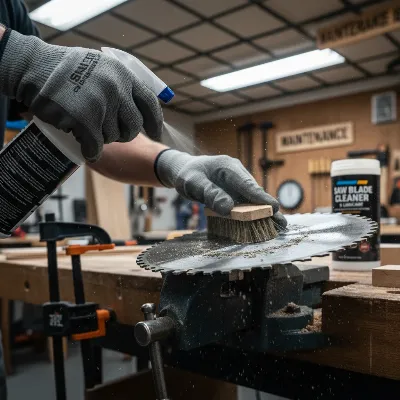 A woodworking technician cleaning a table saw blade with specialized cleaner and brush for longevity.
“Your table saw blades are precision instruments. Treating them with care, from cleaning to storage, directly translates into better cuts, safer operation, and a longer lifespan for your tools.” – Mark Johnson, Master Cabinet Maker
Conclusion
Properly storing your extra table saw blades is a simple yet critical practice that pays dividends in safety, efficiency, and tool longevity. By understanding the risks of improper storage and implementing effective solutions, whether a custom-built wooden rack or a commercial blade case, you protect your valuable investment. Ensuring blades are clean, protected from damage and rust, and easily accessible will streamline your workflow and maintain the razor-sharp precision your projects demand. Don’t underestimate the power of a well-organized storage system; it’s a shows good craftsmanship and a smart approach to woodworking.
Frequently Asked Questions
How often should I clean my table saw blades before storage?
You should clean your table saw blades after every significant use, especially when cutting resinous woods. Pitch and sap buildup can quickly dull the blade and lead to rust, so consistent cleaning before storage is crucial for maintaining performance and preventing damage.
Can I store different types of blades together?
Yes, you can store different types of table saw blades together, but they should always be individually protected in sleeves or separate slots. Preventing metal-on-metal contact is the key to avoiding damage to the carbide teeth, regardless of whether they are ripping, crosscutting, or dado blades.
What’s the best way to prevent rust on table saw blades in a humid workshop?
In a humid workshop, the best way to prevent rust on table saw blades is to store them in airtight containers with desiccant packets (like silica gel) or to apply a thin coat of rust-preventative oil or wax after cleaning. A dehumidifier for the entire workshop can also be very effective.
Is it safe to hang table saw blades by their arbor hole on a pegboard?
While hanging table saw blades by their arbor hole on a pegboard might seem convenient, it’s generally not recommended without additional protection. The exposed teeth can pose a safety hazard, and the blade is susceptible to bumping and potential damage. Use individual covers or a more enclosed system for better safety and blade protection.
How do I know when a table saw blade needs to be sharpened?
A table saw blade typically needs sharpening when you observe signs like burning on the wood (even with proper feed rates), increased effort required to push wood through, excessive tear-out, or if the cuts feel rough rather than smooth. Visually inspect for dull or chipped carbide teeth.
Frequently Asked Questions
How often should I clean my table saw blades before storage?
You should clean your table saw blades after every significant use, especially when cutting resinous woods like pine or fir. Pitch and sap buildup can quickly dull the blade and lead to rust, so consistent cleaning before storage is crucial for maintaining performance and preventing damage.
Can I store different types of table saw blades together?
Yes, you can store different types of table saw blades together, but they must always be individually protected in sleeves or separate slots. Preventing metal-on-metal contact is key to avoiding damage to the carbide teeth, regardless of whether they are ripping, crosscutting, or dado blades.
What's the best way to prevent rust on table saw blades in a humid workshop?
In a humid workshop, the best way to prevent rust on table saw blades is to store them in airtight containers with desiccant packets (like silica gel) or to apply a thin coat of rust-preventative oil or wax after cleaning. A dehumidifier for the entire workshop can also be very effective.
Is it safe to hang table saw blades by their arbor hole on a pegboard?
While hanging table saw blades by their arbor hole on a pegboard might seem convenient, it is generally not recommended without additional protection. The exposed teeth can pose a safety hazard, and the blade is susceptible to bumping and potential damage. Use individual covers or a more enclosed system for better safety and blade protection.
How do I know when a table saw blade needs to be sharpened?
A table saw blade typically needs sharpening when you observe signs like burning on the wood (even with proper feed rates), increased effort required to push wood through, excessive tear-out, or if the cuts feel rough rather than smooth. Visually inspect for dull or chipped carbide teeth.
Storing Your Table Saw Blades Safely
A step-by-step guide to implementing a safe and effective storage system for your table saw blades, ensuring their longevity and optimal performance.
Before storing, always remove accumulated pitch and sawdust. Use a non-caustic blade cleaner and a brass brush. For stubborn residue, let the cleaner soak briefly to ensure thorough cleaning.
While cleaning, carefully inspect each tooth for chips, cracks, or dullness. This step helps identify blades that need sharpening or replacement, preventing unsafe operation and inaccurate cuts.
For long-term storage or humid environments, apply a thin coat of rust preventative spray or paste wax to the blade body. Avoid coating the carbide teeth to maintain cutting efficiency. This optional step significantly extends blade life.
Place each blade into an individual plastic or cardboard sleeve. Many new blades come with these; keep them for reuse. If not available, cut out protective circles from heavy cardboard to prevent damage to the delicate carbide tips.
Select a storage method that suits your workshop. For DIY, use a wooden holder, PVC pipe system, or drawer organizer. For commercial options, utilize a dedicated blade case or carrier. The chosen method should prevent metal-on-metal contact.

I appreciate the focus on safety and preventing kickback risk. I’ve been using those individual blade sleeves for my crosscutting and ripping blades, and they work pretty well. My only minor complaint is that it can still be a bit of a pain to quickly identify the right blade if I have a few similar ones. Maybe I need to label them better, as suggested.
This was a timely read! I just invested in a new fine-tooth blade for plywood, and I really want to protect that investment. The point about preserving the sharpness and integrity of the carbide teeth is spot on. I’m definitely going to implement a better system than my current haphazard approach to keep my blades ready for precise cuts.
The advice on preventing corrosion is solid, but I found some of the storage solutions a bit overkill for my small garage shop. I was hoping for more super budget-friendly, quick DIY ideas beyond just a simple rack. Still, it’s a good reminder that even general-purpose blades need proper care to extend their lifespan.
I used to just toss my extra blades in a drawer, and this post really hit home about the rust and dullness. I finally built a simple wall-mounted rack following some of the ideas here, and it’s made a huge difference. My dado set especially is staying much sharper now that it’s not banging around with other tools. Great tips for keeping blades in top shape.